River Ecologies and Exchange
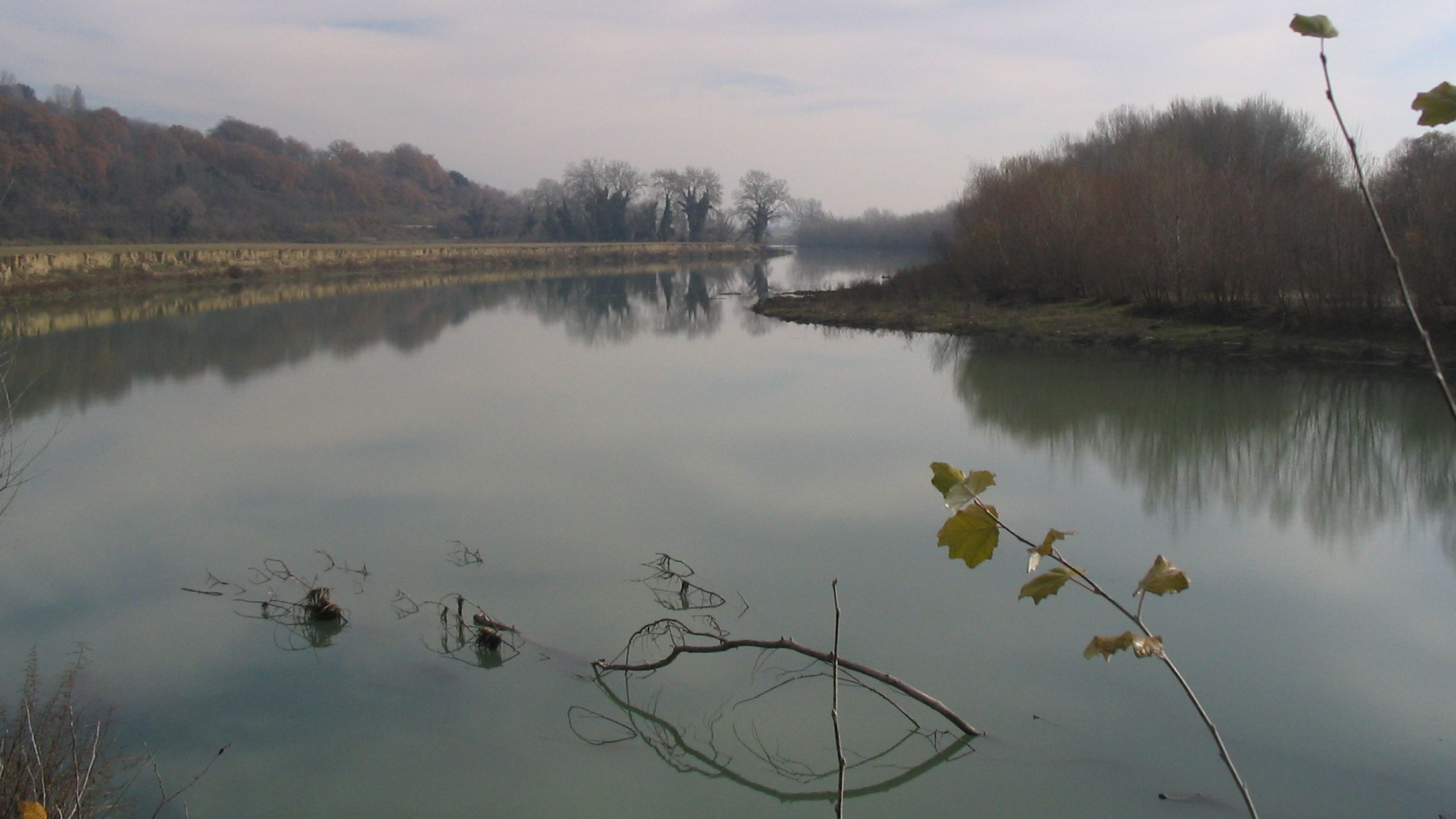
Tiber Valley, Campo Rampone, archaeological area of Poggio Sommavilla by Matteo Paoletti
On 28 April, the American Academy in Rome will host an international and interdisciplinary group of scholars to examine how riverscapes changed in the centuries of the Roman empire and afterwards and what those changes meant for human societies and their economies. The conference, River Ecologies and Exchange, draws on geology, archaeology, and history to reconstruct major river systems and trace their evolving relationships with the communities that lived alongside them.
Participants will present new research on a range of interconnected themes: the resettling of river valleys following demographic and political upheaval; the silting of ports and the decline of riverine infrastructure; the long-term consequences of Roman land clearances on fluvial environments; and the transition from monetized to non-monetary exchange systems in the post-Roman world. Four major river systems will serve as the focus of comparative analysis—the Tiber, the Po, the Ebro, and the Nile—examined across the longue durée from approximately 100 to 1500 CE.
The meeting brings together the disciplines of geology, archaeology, and history to interrogate large scale changes over long time periods. By combining the evidence of sediment cores and field survey with documentary sources and numismatic data, the conference aims to produce a richer, more integrated picture of how rivers shaped and were reshaped by human activity in the premodern world, and in turn the role of rivers in inland commerce as Mediterranean commerce waxed and waned.
Participants
Lisa Briggs (Barca Archaeology, London)
Gift of the river: Fluvial deposits and their implication for biomolecular analysis of Roman shipwrecks and harbours proximal to river systems
Peter Campbell (Heritage Crime Investigations, Cranfield University)
Riverine Processes and Cultural Patterns: Ancient rivers, Object-Oriented Ecology, and the question of environmental determinism
María Josefa Castillo Pascual (University of La Rioja)
The Economic Conquest of the River Ebro from Antiquity to the Nineteenth Century
Giuliano Giovannetti (University of Roma Tre)
The river harbours of Rome from Late Antiquity to the Late Middle Ages
Jean-Philippe Goiran (CNRS / Archéorient, University of Lyon)
Where rivers meet the sea: multimodal harbour systems in the ancient Mediterranean, a geoarchaeological perspective
Alice Lucchini (University of Zadar)
Archaeological Evidence for Navigation in the Early Medieval Po Valley: the Po and the Oglio Rivers
Simon Malmberg (University of Bergen)
The Tiber in Flux: a long perspective on river ports in ancient Rome
Rory Naismith (University of Cambridge)
Rethinking River Valleys and Exchange Systems in the Early Middle Ages
Marco Panato (University of Nottingham)
From the charters to the land (and vice versa): Pisa, its rivers and territory in the early Middle Ages
Penelope Wilson (Durham University)
The Nile in Roman Egypt: A Risk Assessment
I visitatori dell’American Academy in Rome sono pregati di mostrare un documento d’identità all’ingresso. Non è possibile accedere con bagagli o zaini di dimensioni superiori a cm 40 x 35 x 15. Non sono disponibili armadietti né guardaroba. Non è permesso portare animali (ad eccezione dei cani guida).
L’Accademia è accessibile agli utenti in sedia a rotelle e a coloro che devono evitare le scale. Si prega di inviare una email all’indirizzo tours@aarome.org se voi o qualcuno del vostro gruppo utilizza una sedia a rotelle o altri dispositivi di mobilità, così da poter garantire la migliore facilità di accesso ai visitatori. Se siete persone con disabilità o condizioni mediche che potrebbero richiedere particolari accorgimenti, vi preghiamo di inviarci un’email all’indirizzo tours@aarome.org.